A Nation in Diplomatic Trouble: Why the U.S. Is Pulling Away from Tanzania
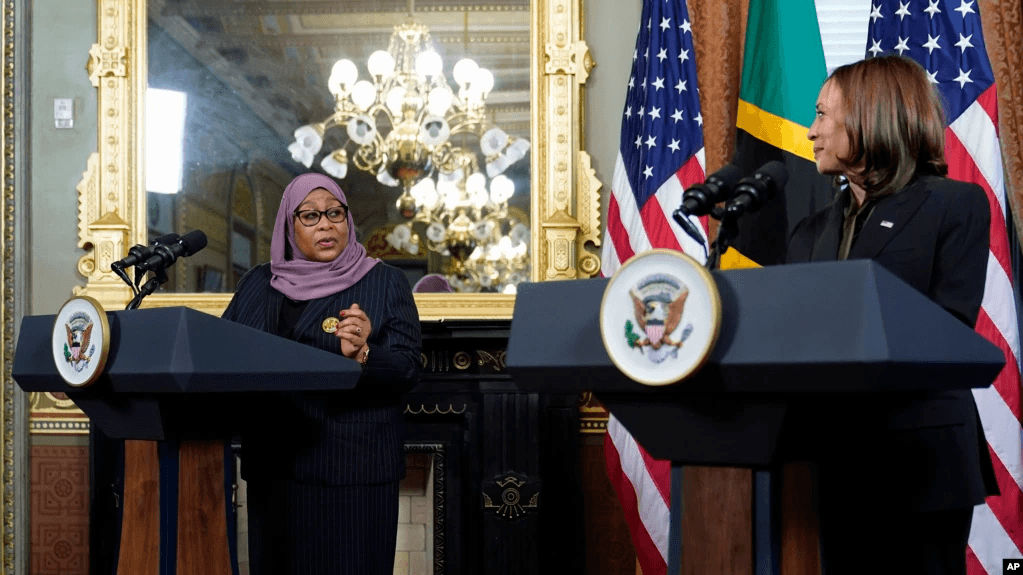
Tanzania is entering a difficult period in its relationship with the United States, especially when it comes to securing funding, grants, and favorable loan terms. Much of this challenge stems from the government’s damaged international image and a growing perception that the country is drifting away from democratic norms. Under President Samia Suluhu Hassan, the geopolitical reputation that once made Tanzania a dependable partner for Western donors has been visibly strained.
The recent elections, widely criticized for irregularities, violence, and a lack of credible opposition participation, severely dented Tanzania’s global standing. International observers raised concerns over ballot manipulation, heavy-handed security responses, and widespread intimidation. These events have made global partners wary, particularly the United States, which places strong emphasis on democratic governance and human rights when determining financial partnerships. A nation seen as undermining democratic values automatically becomes a risky investment.

This reputational damage has coincided with significant shifts in U.S. aid policy. Washington has halted or slowed several USAID programs, affecting key sectors such as agriculture, youth development, and civil society. Health initiatives, including those supporting HIV/AIDS treatment, have also come under pressure as U.S. funding streams face uncertainty. For a country that has relied heavily on American assistance for decades, this reduced engagement represents both an economic threat and a diplomatic warning.
The situation is further complicated by Tanzania’s geopolitical realignment. Under Samia, the government has deepened ties with major Asian powers, especially China, elevating cooperation to the level of a strategic partnership. While this may offer alternative financing options, it also signals to Washington that Tanzania may be shifting into spheres of influence less aligned with U.S. priorities. In the world of global diplomacy, such signals matter. When a partner appears to be leaning away, the U.S. tends to respond with caution, scrutiny, and conditions on financial dealings.
Human rights concerns also play a major role in U.S. decision-making. Arrests of opposition figures, suppression of protests, and limitations on media freedoms have drawn the attention of Western institutions and advocacy groups. These developments create an impression that Tanzania is sliding back toward authoritarian tendencies, a perception that makes it difficult for American agencies and lawmakers to justify sustained or increased funding.
President Samia herself has admitted that the country’s damaged image will make it harder to secure international loans with the same ease as before. International lenders prefer stability, transparency, and predictability. Tanzania currently offers uncertainty, contested governance, and mixed signals about its loyalty to global democratic standards. This credibility gap weakens its bargaining power and raises the cost of every financial engagement.
Tanzania now finds itself at a crossroads. Its government needs to restore confidence by demonstrating genuine commitment to democratic reforms, political openness, and institutional transparency. Without such steps, the U.S. is likely to continue withholding funds, tightening conditions, or redirecting resources to more politically stable partners in the region.
Ultimately, President Samia’s administration must reckon with the consequences of its political decisions. The erosion of Tanzania’s global reputation is already translating into economic difficulties. Rebuilding the trust of international partners, especially the United States, will require more than diplomatic visits and press statements. It will demand visible reforms and a clear break from the practices that have made the world question Tanzania’s governance trajectory.