THE FALL OF A HUSTLER: WHY KENYAN PRESIDENT WILLIAM RUTO IS STARING AT A ONE-TERM PRESIDENCY
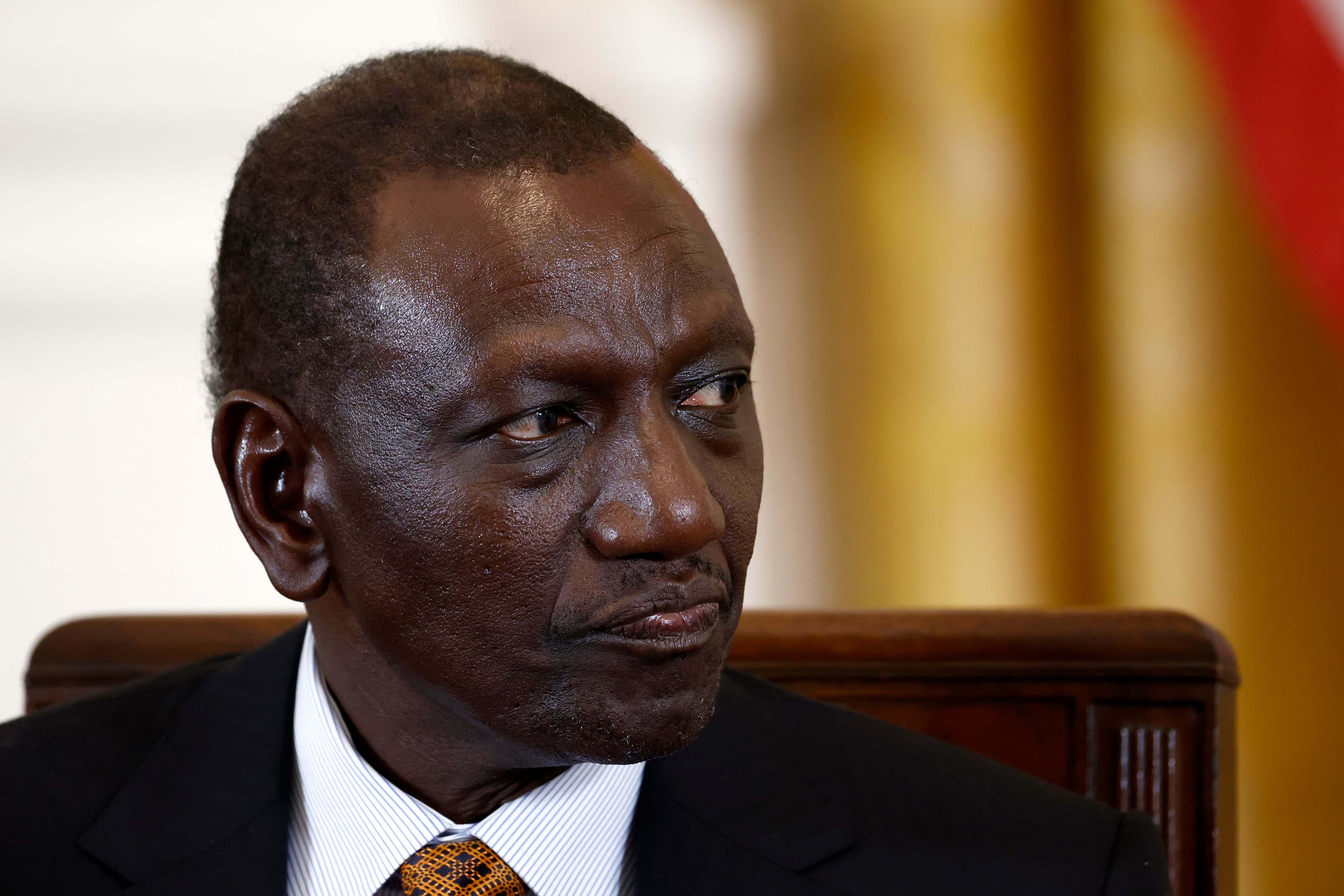
The possibility of President William Ruto becoming the first East African president in modern times to serve only one term is growing stronger as civil servants and young people across Kenya express deep dissatisfaction with his administration. Unlike past incumbents who enjoyed broad support from state institutions and a largely compliant youth population, Ruto is facing a wave of discontent that cuts across age, class and region.
Civil servants, traditionally a quiet but crucial pillar of government stability, feel increasingly alienated. Many complain of delayed salaries, heavy taxation, diminishing allowances and departmental underfunding. They also point to political appointments overshadowing merit-based promotions and a work environment where morale has sharply declined. A disgruntled civil service is dangerous for any leader, especially during a re-election cycle, because it weakens state machinery and erodes the behind-the-scenes support that incumbents often rely on.

Kenya’s youth, who make up more than 70% of the population, have become even louder in their dissent. Ruto’s promises of jobs, empowerment and economic relief have not matched their lived reality. High unemployment, an unmanageable cost of living and new tax burdens have pushed the youth from hopeful supporters to outspoken critics. Unlike older generations, they are highly organized online, politically conscious and unwilling to remain silent. Their presence in street protests and digital campaigns has become one of the strongest threats to the president’s political future.
A growing trust deficit is also hurting the administration. The Hustler Nation message that propelled Ruto to State House has lost its shine. Many Kenyans believe the government has shifted its focus from uplifting ordinary citizens to aggressively collecting revenue. With rising fuel prices, inflation and shrinking purchasing power, the public feels squeezed and betrayed. Once faith is lost, regaining it becomes a near-impossible task.
Geopolitical missteps have added to the storm. Controversies surrounding international agreements, security deployments and Kenya’s positioning on global issues have created perceptions of inconsistency and overreach. This has not only affected Kenya’s diplomatic reputation but has also reinforced domestic concerns about the administration’s strategic focus.
Economic hardship remains the biggest pressure point. Daily survival has become a struggle for many families, and the government’s reforms are widely seen as mistimed or misaligned with the needs of ordinary citizens. The frustration has spread beyond traditional opposition zones—today it is visible even among former supporters and neutral voters.
In East Africa, incumbency usually guarantees a second term, supported by state machinery and political influence. But Ruto’s situation is different. Civil servants feel abandoned, youth feel betrayed, and the middle class feels overtaxed. The alliances that typically secure re-election are fracturing.
If these trends continue, the 2027 election could mark a historic turning point. Ruto risks becoming the first one-term president in the region, not because of a powerful opposition, but because of widespread discontent among citizens who expected better. The growing sense of frustration within the civil service and the rising anger among the youth may ultimately define his legacy—and determine whether he returns to State House for a second term.